
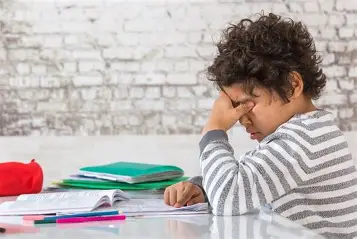
The school holidays can be a wonderful opportunity for children and families to spend time together, relax and take a break from the demands of everyday life.
However, as the end of the holidays approaches, some parents notice changes in their child’s emotions and behaviour.
A child who has seemed happy and relaxed during the summer may suddenly become:
- Worried about returning to school
- More emotional
- Irritable or frustrated
- Clingier than usual
- More withdrawn
- Less confident
As a parent, this can feel confusing.
You may wonder:
“Why are they struggling now when they seemed fine before?”
The answer is that transitions and changes in routine can feel challenging for many children and teenagers. Even positive changes can bring uncertainty, and uncertainty can increase feelings of anxiety.
Why Do Changes in Routine Affect Children’s Emotional Wellbeing?
Children often feel safest when they know what to expect.
Daily routines provide a sense of predictability and security. They help children understand:
- What is happening next
- What is expected of them
- When they will have time to rest
- When they will see important people in their lives
During school holidays, routines naturally change.
Children may:
- Go to bed later
- Wake up later
- Have fewer daily expectations
- Spend more time relaxing
- Have more flexibility in their day
Then, as September approaches, they are expected to quickly return to:
- Early mornings
- School preparation
- Homework
- Busy schedules
- Social expectations
- New challenges
For some children, this sudden change can feel overwhelming.
Why Does My Child Seem More Anxious Before School Starts?
Sometimes anxiety appears before the difficult event has even happened.
Children may begin imagining:
“What if I can’t cope?”
“What if something goes wrong?”
“What if I don’t fit in?”
Their brain is trying to prepare them for uncertainty, but this can sometimes lead to increased worry.
Children may start thinking about:
- New teachers
- Friendship changes
- Academic expectations
- Moving year groups
- Starting secondary school
- Being away from parents
- Managing responsibilities independently
These worries are particularly common during important transitions.
Signs Your Child May Be Struggling With the Return to School
Children do not always say:
“I feel anxious about going back to school.”
Instead, anxiety may show through behaviour.
You may notice:
Emotional signs
- Increased tearfulness
- More frequent mood changes
- Frustration or anger
- Becoming overwhelmed easily
- Needing more reassurance
Behavioural signs
- Avoiding conversations about school
- Not wanting to prepare for school
- Becoming withdrawn
- Seeking constant reassurance
- Losing interest in usual activities
Physical signs
Anxiety can also appear physically.
Children may experience:
- Trouble sleeping
- Stomach aches
- Headaches
- Feeling tired
- Changes in appetite
These are not signs that your child is being difficult. They are often signs that they are experiencing emotions they may not yet know how to manage.
How Can Parents Help Children Adjust After the Holidays?
The transition back to school does not need to happen overnight.
Small steps can help your child feel more secure and prepared.
1. Reintroduce routines gradually
Rather than waiting until the night before school begins, start gently adjusting routines.
You might:
- Move bedtime earlier over several days
- Return to regular mealtimes
- Create calmer evening routines
- Begin preparing school items together
Predictability helps children feel more in control.
2. Talk about school without creating pressure
Children often sense when adults are worried.
Try to create relaxed opportunities for conversation.
Instead of asking:
“Are you nervous about school?”
you could ask:
“What are you most looking forward to this term?”
or:
“Is there anything about September that feels uncertain?”
This allows your child to share naturally.
3. Listen and validate their worries
It can be tempting to quickly reassure your child:
“Don’t worry, you’ll be fine.”
However, children often need understanding before reassurance.
You might say:
“I can understand why that feels difficult. Lots of people feel nervous when something changes.”
Validation helps children feel supported.
4. Focus on coping rather than avoiding
When children feel anxious, their natural response may be to avoid the thing causing worry.
Although avoidance can provide short-term relief, it can sometimes make anxiety stronger over time.
Helping your child take small, manageable steps can build confidence and show them:
“I can handle difficult feelings.”
Supporting Teenagers Through Routine Changes
Teenagers may experience anxiety differently from younger children.
They may appear:
- Uninterested
- Dismissive
- Irritable
- Quiet
- More independent
However, this does not always mean they are coping well.
Teenagers may be carrying worries about:
- Friendships
- Identity
- Academic expectations
- Exams
- Their future
- Feeling accepted by others
Creating a safe space for conversations can help teenagers feel supported without feeling pressured.
When Should Parents Seek Support?
Some anxiety around returning to school is expected.
However, additional support may be helpful if your child is experiencing:
- Ongoing distress
- Significant changes in mood
- Difficulty sleeping
- Frequent physical symptoms
- Loss of confidence
- Avoidance of school
- Anxiety affecting family life
Seeking support early can help children understand their emotions and develop strategies to manage difficult feelings.
How Therapy Can Help With Anxiety and Life Transitions
Therapy can provide children and teenagers with a safe and supportive environment where they can explore their feelings, understand their worries and develop coping strategies.
At Anna Patel Psychotherapy, I support children, teenagers and families experiencing:
- Anxiety
- School-related worries
- Emotional difficulties
- Life transitions
- Confidence issues
- Challenges with change
My approach is warm, thoughtful and tailored to each individual, helping young people feel understood while developing the emotional tools they need.
I also offer parent support sessions, helping parents better understand their child’s emotional world and how they can provide support at home.
Frequently Asked Questions About Children’s Anxiety After School Holidays
Is it normal for children to feel anxious after the school holidays?
Yes. Changes in routine and returning to school can bring uncertainty, and many children experience some level of worry. However, if anxiety begins affecting daily life, confidence or school attendance, additional support may be helpful.
How long does it take children to adjust after the holidays?
Every child is different. Some settle within days, while others may need more time and reassurance. Providing consistency, patience and emotional support can help children adapt.
Why does my child seem fine during holidays but anxious before school?
During holidays, children may have fewer demands and responsibilities. As school approaches, worries about friendships, expectations and change may become more noticeable.
Can therapy help a child with anxiety?
Yes. Therapy can help children understand their emotions, develop coping strategies and build confidence in managing challenges.
Support for Your Child’s Emotional Wellbeing
If your child is struggling with anxiety, changes in routine or returning to school, support is available.
Anna Patel Psychotherapy provides child and adolescent psychotherapy for children, teenagers and families in North London and online.
Anna offers a safe, supportive and confidential space where young people can explore their emotions at their own pace.
🌐 annapatelpsychotherapy.co.uk
📩 info@annapatelpsychotherapy.co.uk
About Anna Patel
Anna Patel is an integrative child and adolescent psychotherapist with over 20 years’ experience supporting children, teenagers, parents and families.
She specialises in anxiety, emotional wellbeing, school transitions and helping young people navigate life changes through a warm and individualised approach.
Recent Comments