

Therapy for children
Are you worried about changes in your child’s behaviour, emotions, or wellbeing?
As parents, it can feel distressing when a child seems anxious, withdrawn, overwhelmed, or unlike themselves. You may notice difficulties at home, nursery, or school, or feel unsure about how best to support your child emotionally.
Children do not always have the words to explain how they feel. Instead, emotions are often communicated through behaviour, play, physical symptoms, or changes in mood.
Therapy can help children safely express and understand difficult feelings while supporting parents to better understand what their child may be communicating emotionally.
Support for Emotional & Behavioural Difficulties in Children
Children may experience emotional difficulties for many different reasons, including:
- anxiety or fears
- low mood or sadness
- separation anxiety
- friendship difficulties or bullying
- school-related worries
- family changes such as separation or divorce
- bereavement or loss
- emotional overwhelm
- low self-esteem or confidence
- anger or emotional outbursts
- traumatic experiences
- sleep difficulties or nightmares
- eating or feeding concerns
- emotional withdrawal or clinginess
Sometimes parents notice:
- changes in behaviour
- refusal to attend school
- difficulties sleeping
- tearfulness or irritability
- emotional shutdown
- regression in behaviour
- increased anxiety or distress
Whatever your concerns may be, therapy offers a safe and supportive space to help children process and communicate difficult emotions.
Therapy for Younger Children
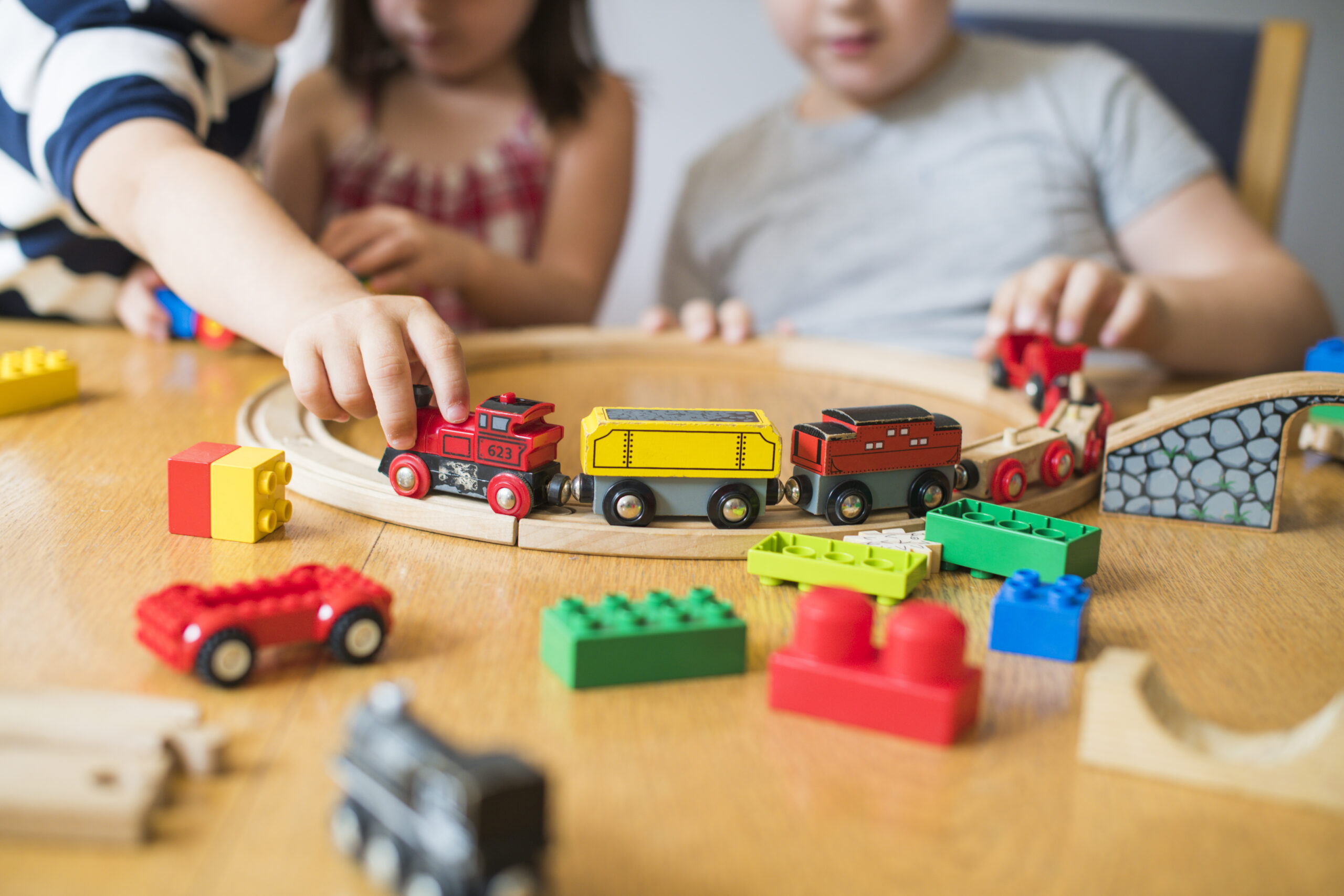
Young children often communicate feelings through play rather than words.
For children under five, emotional difficulties may be connected to:
- attachment and bonding
- separation anxiety
- emotional regulation
- family stress or transitions
- early developmental experiences
Child-led play therapy can help young children express emotions safely and naturally.
Sessions may involve:
- creative play
- storytelling
- sand tray work
- art materials such as paint or clay
- puppets and miniature figures
Play can provide valuable insight into a child’s emotional world while helping them feel emotionally safe, understood, and supported.
Where appropriate, sessions may also involve parents or caregivers to support the parent-child relationship and emotional connection.

Therapy for Older Children
Older children may struggle with anxiety, low confidence, emotional overwhelm, friendship difficulties, or changes in behaviour and mood.
Some children may become:
- withdrawn or isolated
- tearful or emotionally reactive
- angry or frustrated
- highly anxious or perfectionistic
- emotionally shut down
Others may struggle with:
- panic attacks
- bullying or social difficulties
- self-esteem issues
- emotional regulation
- difficult life experiences or trauma
Therapy provides children with a supportive and non-judgemental space where they can begin to explore feelings, develop emotional awareness, and build healthier coping strategies.
Building Trust & Emotional Safety
A strong therapeutic relationship is central to effective therapy with children.
Children need to feel emotionally safe before they can begin to express difficult feelings openly.
I aim to provide a warm, calm, and nurturing environment where children feel:
- heard
- accepted
- emotionally supported
- free from judgement or pressure
As children begin to understand and manage their emotions more confidently, they can often develop healthier ways of coping and feel more secure within themselves and their relationships.
Working Collaboratively With Parents
Parents play an important role within the therapeutic process.
Alongside supporting the child, therapy can also help parents better understand:
- emotional communication through behaviour
- attachment and emotional needs
- family dynamics
- anxiety and emotional regulation
- ways to support their child at home
The aim is to support both the child and the wider family system with compassion and understanding.
Current Availability
Currently, online therapy is available for young people aged 10–17+.
Face-to-face work with younger children and parent-child sessions will be available in person in North London.
Work With Me
If you would like to explore therapy support for your child or family, you are welcome to get in touch directly.
Referrals may also come from:
- GPs
- schools
- social workers
- other professionals
You may also find it helpful to visit the FAQ page for further information about therapy sessions, confidentiality, and the therapeutic process.