
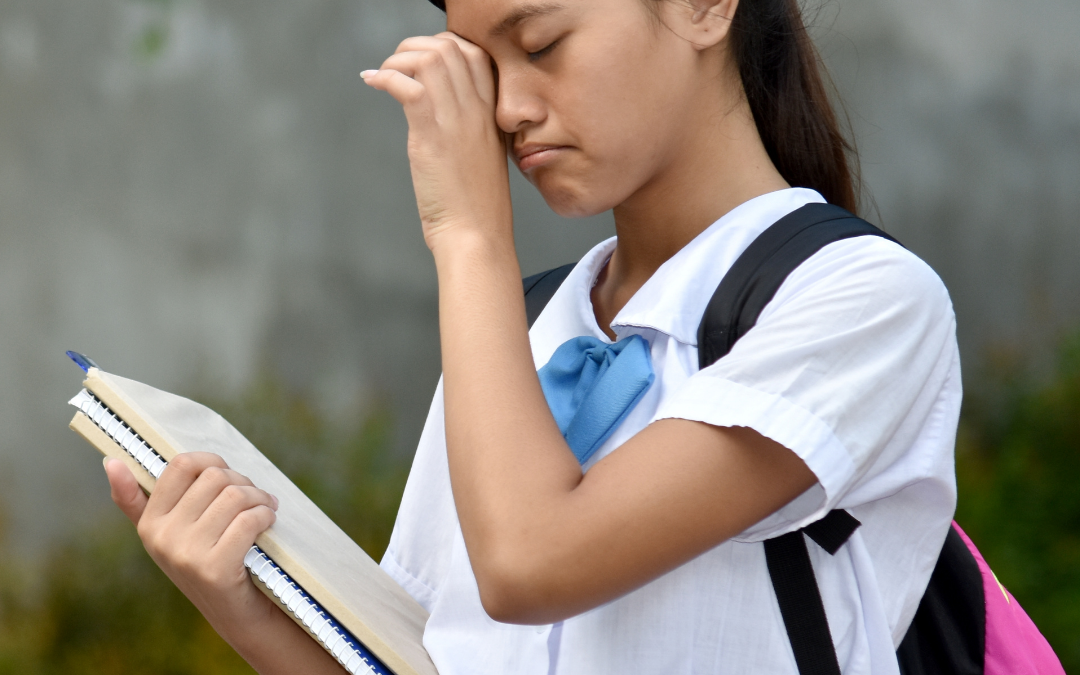
Signs Your Child May Be Being Bullied (Even If They Don’t Tell You)
Finding out your child may be experiencing bullying can be incredibly upsetting for any parent.
You may feel worried, angry, protective or unsure about what to do next.
Sometimes children tell their parents exactly what is happening.
But many children and teenagers keep bullying to themselves.
They may feel embarrassed, worried things could become worse or unsure how to explain what they are experiencing.
This means that changes in behaviour, emotions or routines may sometimes be the first signs that something is wrong.
As an Integrative Child and Adolescent Psychotherapist, I support children, teenagers and families who are navigating emotional difficulties, including challenges around friendships, confidence, anxiety and experiences such as bullying.
Creating a safe space where young people feel heard can be an important first step towards helping them cope.
What Is Bullying?
Bullying is repeated behaviour that intentionally causes harm, distress or fear.
It can happen in many different ways, including:
Physical bullying
This may include:
- Hitting
- Pushing
- Taking belongings
- Damaging possessions
Verbal bullying
This may include:
- Name-calling
- Insults
- Threats
- Hurtful comments
Social bullying
This can be harder to recognise and may include:
- Excluding someone from friendships
- Spreading rumours
- Deliberately leaving someone out
- Turning others against them
Online bullying
With children and teenagers spending more time online, bullying can also happen through:
- Social media
- Messaging apps
- Online gaming
- Group chats
Digital bullying can feel particularly difficult because it can follow a child beyond the school environment.
Why Might A Child Not Tell Their Parents They Are Being Bullied?
Many parents wonder:
“Why didn’t my child tell me?”
There are many reasons children and teenagers may stay quiet.
They may:
- Feel embarrassed
- Worry they will be blamed
- Fear the bullying will get worse
- Feel they should handle it themselves
- Worry about upsetting their parents
- Believe nobody can help
- Struggle to find the words to explain what is happening
Some young people may not even recognise their experience as bullying.
They may think:
“Everyone feels like this.”
“I just need to deal with it.”
“It isn’t a big enough problem.”
This is why creating regular opportunities for connection is so important.
Signs Your Child May Be Experiencing Bullying
Every child responds differently, but you may notice changes such as:
Changes in mood
Your child may become:
- More anxious
- More withdrawn
- More emotional
- Easily upset
- More irritable or angry
Changes around school
They may:
- Avoid going to school
- Complain of feeling unwell before school
- Lose interest in learning
- Become worried about specific lessons or situations
- Ask to stay home more often
Changes in friendships
You may notice:
- Losing contact with friends
- Not wanting to attend social activities
- Feeling left out
- Talking negatively about themselves
Physical signs
Stress and anxiety can sometimes appear physically.
Your child may experience:
- Stomach aches
- Headaches
- Sleep difficulties
- Changes in appetite
- Feeling tired
Changes in confidence
Bullying can affect how children see themselves.
They may begin to say things like:
“Nobody likes me.”
“I’m not good enough.”
“I don’t want people looking at me.”
How Bullying Can Affect A Child’s Emotional Wellbeing
Bullying can have a significant impact on a child’s confidence and sense of safety.
Some children may develop:
- Anxiety
- Low self-esteem
- Fear of social situations
- Difficulty trusting others
- Worries about returning to school
- Feelings of loneliness
For some children, the effects can continue even after the bullying has stopped.
They may need time and support to rebuild their confidence and feel safe again.
How Can Parents Support A Child Experiencing Bullying?
Listen And Stay Calm
When a child shares something difficult, your first response matters.
Although it is completely natural to feel angry or upset, children often need reassurance before anything else.
Try responses such as:
“I’m really glad you told me.”
“I’m sorry this has been happening.”
“This is not your fault.”
“We can work through this together.”
Avoid Immediately Trying To Fix Everything
Parents naturally want to protect their children.
However, immediately taking action without understanding the situation can sometimes make children worry about what will happen next.
Start by listening and understanding:
- What has been happening?
- How long has it been happening?
- How is it making them feel?
- What support would feel helpful?
Help Your Child Rebuild Confidence
Bullying can make children question their own worth.
Helping them reconnect with positive experiences can be valuable.
Encourage:
- Activities they enjoy
- Supportive friendships
- Interests and hobbies
- Opportunities where they feel successful
Remind them:
“What someone says about you does not define who you are.”
Supporting Teenagers Who Are Being Bullied
Teenagers may be particularly reluctant to ask for help.
They may worry about:
- Looking weak
- Adults making things worse
- Losing independence
- Being judged
It is important to respect their feelings while keeping communication open.
Even if they do not want to talk immediately, knowing support is available can make a difference.
Small moments of connection can matter:
- A walk together
- A shared activity
- A simple check-in
Sometimes teenagers open up when they feel there is no pressure.
When Therapy May Help
Some children recover from bullying with support from their family, school and trusted adults.
However, therapy may be helpful if your child is experiencing:
- Ongoing anxiety
- Reduced confidence
- Fear of school
- Difficulty trusting others
- Persistent sadness
- Emotional outbursts
- Withdrawal from relationships
Therapy provides a safe and confidential space where children can explore what has happened, understand their emotions and begin rebuilding confidence.
Final Thoughts
Bullying can leave children feeling isolated, powerless and unsure of themselves.
However, with the right support, children can begin to rebuild their confidence and develop healthier ways of coping.
The most important message a child can hear is:
“You are not alone. What happened to you is not your fault. We can get through this together.”
If you are concerned that your child or teenager may be experiencing bullying, reaching out for support can be an important first step.
Anna Patel Psychotherapy provides compassionate online therapy via Zoom for children aged 10+, teenagers and parents across the UK, creating a safe space where young people can explore their emotions and feel understood.
Frequently Asked Questions
How do I know if my child is being bullied?
Signs may include changes in mood, avoiding school, friendship difficulties, physical symptoms such as stomach aches, or a drop in confidence.
Why won’t my child tell me they are being bullied?
Children may stay quiet because they feel embarrassed, worried things will get worse or unsure how to explain what is happening.
Can therapy help a child after bullying?
Yes. Therapy can help children process their experiences, rebuild confidence and develop ways to manage difficult emotions.
Recent Comments