
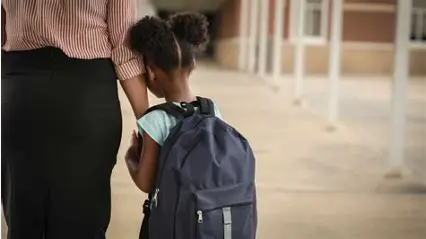
For many families, the end of the school holidays brings a mixture of excitement and uncertainty.
Some children are eager to return, looking forward to seeing friends and getting back into familiar routines. Others may begin to feel worried, emotional or resistant as the first day approaches.
As a parent, hearing:
“I don’t want to go back to school.”
can feel confusing and concerning.
You may wonder:
“Are they just feeling nervous?”
“Are they trying to avoid school?”
“Is something more serious going on?”
The truth is that when a child refuses to go to school, it is often a sign that something feels difficult emotionally. Their behaviour may be communicating feelings they don’t yet have the words to express.
Why Might a Child Not Want to Go Back to School?
There are many reasons why a child may struggle with returning to school.
Sometimes it is linked to anxiety about the transition itself. Other times, there may be worries that have been building over time.
Children may feel anxious about:
Friendships and social situations
Many children worry about:
- Making friends
- Feeling left out
- Friendship changes
- Bullying
- Feeling different from others
- Social pressures
For some young people, worries about friendships can feel just as overwhelming as academic pressures.
Academic pressure
School can bring many expectations.
Children may worry about:
- Keeping up with work
- Getting things wrong
- Tests and exams
- Homework
- Disappointing teachers or parents
Some children who appear to be avoiding school are actually feeling overwhelmed by the fear of not being good enough.
Changes and transitions
School transitions can be particularly challenging.
This may include:
- Starting primary school
- Moving to secondary school
- Changing schools
- Returning after illness or absence
- Moving year groups
- Adjusting to new teachers or routines
Even positive changes can feel emotionally challenging because they involve uncertainty.
Is My Child Being Difficult, or Are They Struggling?
This is one of the most common worries parents have.
When a child refuses school, it can sometimes look like defiance:
“They just don’t want to go.”
“They are being difficult.”
“They are making excuses.”
However, underneath the behaviour there may be anxiety, fear or emotional overwhelm.
A child who is struggling may not be trying to avoid responsibility. They may be trying to communicate:
“This feels too much for me right now.”
Understanding what is behind the behaviour can help parents respond with compassion rather than frustration.
Signs That School Refusal May Be Linked to Anxiety
Anxiety can appear in many different ways.
You may notice your child:
- Becomes upset when school is mentioned
- Has difficulty sleeping before school days
- Experiences headaches or stomach aches
- Becomes tearful or angry in the mornings
- Clings to parents when separating
- Frequently asks for reassurance
- Withdraws from conversations about school
- Loses confidence in their abilities
- Avoids activities connected to school
Teenagers may show anxiety differently.
They might:
- Become quieter
- Spend more time alone
- Appear irritable or frustrated
- Avoid talking about their feelings
- Seem uninterested or detached
These changes can sometimes be misunderstood as typical teenage behaviour, but they may be signs that they are struggling emotionally.
What Can Parents Do When Their Child Refuses School?
Seeing your child distressed can bring up a lot of emotions as a parent.
You may feel worried, frustrated, guilty or unsure what the right response is.
Here are some approaches that can help:
Listen before trying to solve
When children are anxious, they often need to feel understood before they are ready to problem-solve.
Try asking:
“Can you help me understand what feels hardest about school at the moment?”
or:
“What part of going back feels most difficult?”
This creates space for your child to share without feeling judged.
Acknowledge their feelings
Validating your child’s emotions does not mean agreeing that they cannot cope.
It means showing them that their feelings make sense.
You might say:
“I can understand why this feels worrying. Starting something new can feel really difficult.”
Feeling supported can help children feel more able to face challenges.
Avoid increasing pressure
It is natural to want to reassure your child quickly:
“You’ll be fine.”
“Everyone feels nervous.”
However, if a child feels overwhelmed, they may need understanding before reassurance.
Helping them feel heard can reduce feelings of isolation.
Work together on small steps
For some children, returning to school feels like a huge challenge.
Breaking things down can help:
- Preparing school items together
- Visiting the school beforehand
- Practising the journey
- Talking through what their day may look like
- Re-establishing routines gradually
Small steps can help rebuild confidence.
When Should You Seek Professional Support?
Some children need extra time and reassurance when returning to school.
However, it may be helpful to seek support if your child’s difficulties are:
- Persistent
- Affecting family life
- Impacting sleep or eating
- Causing significant distress
- Leading to prolonged school avoidance
- Affecting friendships or confidence
Early support can help children understand their emotions and develop healthier ways of managing anxiety.
How Therapy Can Help Children Experiencing School Anxiety
Therapy offers children and teenagers a safe, supportive and confidential space to explore what they are experiencing.
At Anna Patel Psychotherapy, I support children and young people who are experiencing:
- School anxiety
- Emotional difficulties
- Low confidence
- Life transitions
- Friendship challenges
- Anxiety and worry
Through an integrative approach, I help young people understand their emotions, develop coping strategies and build confidence in navigating challenges.
I also work with parents, helping them better understand their child’s emotional needs and how they can provide support at home.
Frequently Asked Questions About School Anxiety and School Refusal
Is refusing school always a sign of anxiety?
Not always. There can be many reasons why a child struggles with school, including friendship difficulties, bullying, learning challenges, stress or changes at home. Understanding what is behind the behaviour is an important first step.
Should I force my child to go to school if they are anxious?
School attendance is important, but when anxiety is severe it is helpful to understand what is causing the distress. Working with your child, school and professionals can help create the right support plan.
How do I talk to my child about school anxiety?
Choose a calm moment rather than during a stressful morning. Use open questions, listen carefully and try to understand their experience rather than immediately offering solutions.
Can therapy help with school refusal?
Yes. Therapy can help children explore the emotions behind school refusal, develop coping strategies and feel more confident managing difficult situations.
Support for Your Child’s Emotional Wellbeing
If your child is struggling with returning to school, anxiety or emotional challenges, support is available.
Anna Patel Psychotherapy provides child and adolescent psychotherapy for children, teenagers and families in North London and online.
Anna offers a warm, understanding and confidential space where young people can explore their feelings at their own pace.
🌐 annapatelpsychotherapy.co.uk
📩 info@annapatelpsychotherapy.co.uk
About Anna Patel
Anna Patel is an integrative child and adolescent psychotherapist with over 20 years’ experience supporting children, teenagers, parents and families.
She specialises in helping young people navigate anxiety, emotional difficulties, school transitions and life changes through a warm, thoughtful and individualised approach.
Recent Comments