
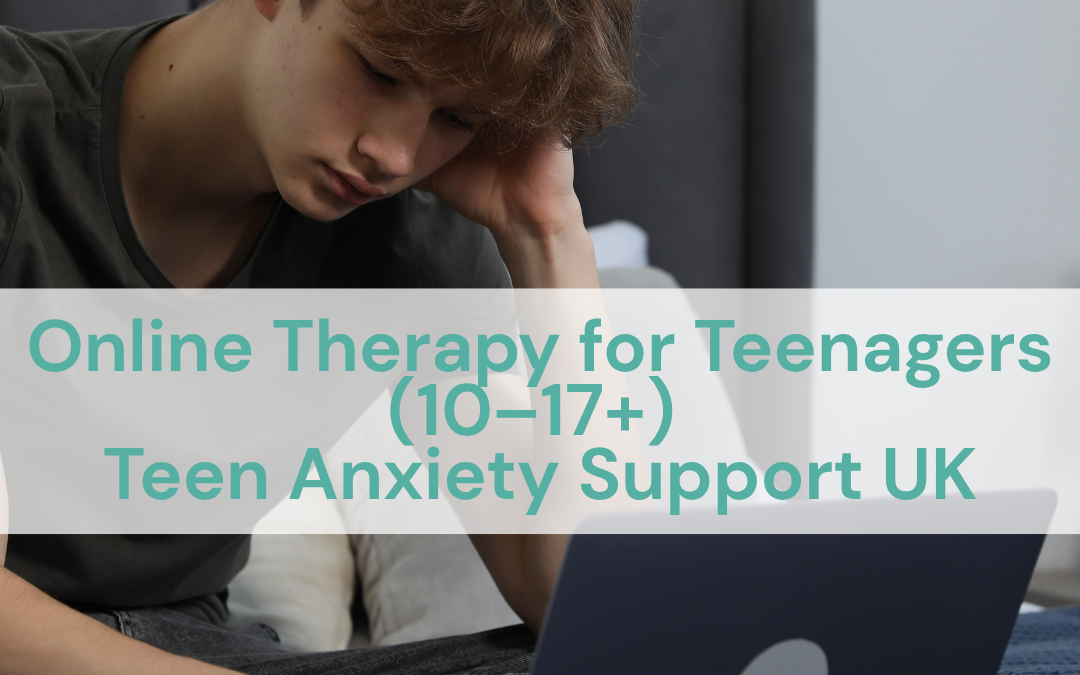
For many parents, the idea of therapy for their teenager can feel like a big step — especially if their child is struggling with anxiety, emotional withdrawal, or difficulty communicating how they feel.
In recent years, online therapy has become an increasingly effective and accessible way to support young people aged 10–17+. For many teenagers, it can actually feel less intimidating than attending in-person sessions.
Understanding how online therapy works — and why it can be helpful — can make it easier to decide whether it might be right for your child.
Why online therapy can work well for teenagers
Teenagers often feel more comfortable in familiar environments. Being at home during sessions can reduce pressure and help them feel more in control of the process.
For young people who experience anxiety, social stress, or emotional withdrawal, this sense of safety can make it easier to begin opening up.
Online therapy also removes some of the practical barriers that can make access to support more difficult, such as travel, school schedules, or location.
What online therapy looks like
Sessions take place via a secure video platform such as Zoom.
A typical session may involve:
- Talking through thoughts and feelings at the young person’s pace
- Exploring emotions linked to school, friendships, or family life
- Helping the young person make sense of what they are experiencing
- Developing emotional awareness and coping strategies
There is no pressure to talk about everything straight away. Building trust takes time, and the pace is always guided by the young person.
What difficulties online therapy can help with
Online therapy can support teenagers experiencing a range of emotional and behavioural challenges, including:
- Anxiety and overthinking
- Emotional withdrawal or shutting down
- Low mood or lack of motivation
- School-related stress or pressure
- Friendship or social difficulties
- Family relationship challenges
Many young people also find it helpful simply to have a space outside of family or school where they can talk freely without judgement.
How parents are involved
For younger teenagers especially, parents play an important role in the therapeutic process.
Initial sessions may involve parents to gather background information and understand current concerns. Ongoing communication depends on the needs of the young person, always balancing confidentiality with appropriate parental involvement.
Parent support sessions are also available separately, offering guidance on how to respond to emotional or behavioural difficulties at home.
Is online therapy as effective as in-person therapy?
Research and clinical experience show that online therapy can be just as effective as face-to-face work for many young people, particularly for anxiety and emotional difficulties.
In some cases, it can even improve engagement, as teenagers may feel less self-conscious and more comfortable speaking from their own space.
The most important factor is not the format — but the therapeutic relationship and sense of safety.
When to consider therapy for your teenager
It may be helpful to seek support if you notice:
- Changes in mood or behaviour
- Increased withdrawal or isolation
- Heightened anxiety or emotional overwhelm
- Difficulty communicating feelings
- Ongoing stress that does not seem to improve
Early support can often prevent difficulties from becoming more entrenched.
Final thoughts
Online therapy provides a flexible and accessible way for teenagers to receive emotional support at a pace that feels manageable for them.
For many families, it can be the first step in rebuilding communication, understanding emotional needs, and supporting positive change.
If you are concerned about your teenager’s emotional wellbeing, support is available.
🌐 annapatelpsychotherapy.co.uk
📩 Online therapy for ages 10–17+ and parent support sessions available
Recent Comments